EN
EN


Understanding Plywood Options
When planning a woodworking project, choosing the right material is crucial. Two popular options—bamboo plywood and hardwood plywood—offer unique benefits for flooring, furniture, and interior design. But which one is better for your needs? In this guide, we compare their strength, moisture resistance, aesthetics, and cost to help you make an informed decision.
1. What Is Bamboo Plywood?
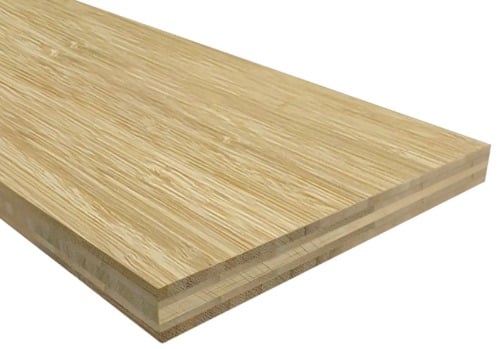
Bamboo plywood is engineered from one of nature’s fastest-growing grasses. The process involves:
Slicing bamboo stalks into thin strips
Boiling and pressing them under high heat
Bonding with eco-friendly adhesives
Key Features:
Renewable and sustainable (regrows in 3–5 years)
Higher density than many hardwoods
Modern, linear grain pattern
2. What Is Hardwood Plywood?
Hardwood plywood is made from thin layers of wood veneers (e.g., oak, maple, or birch) glued together. Each layer is cross-grained for added strength.
Key Features:
Traditional wood aesthetics with natural variations
Widely available in grades and finishes
Often sourced from deciduous trees
3. Strength and Durability Comparison
Bamboo Plywood:
Janka Hardness: 1,300–1,500 lbf (harder than red oak)
Resists dents and scratches, ideal for high-traffic areas
Can be sanded and refinished multiple times
Hardwood Plywood:
Janka Hardness: Varies by species (e.g., oak: 1,290 lbf, maple: 1,450 lbf)
Prone to surface scratches but easily repairable
Best for decorative pieces and low-impact furniture
Verdict: Bamboo wins for extreme durability, but hardwoods offer classic beauty.
4. Moisture and Weather Resistance
Bamboo Plywood:
Naturally water-resistant due to dense fibers
Minimal expansion/contraction in humid conditions
Perfect for bathrooms, kitchens, and outdoor applications like ZaiAn’s Strand Woven Bamboo Plywood Panel
Hardwood Plywood:
Susceptible to warping and swelling when exposed to moisture
Requires sealants or coatings for wet areas
Not recommended for outdoor use without treatment
Verdict: Bamboo is superior for damp environments.
5. Aesthetics and Design Flexibility
Bamboo Plywood:
Modern, uniform appearance with subtle grain lines
Available in natural, caramelized, or carbonized tones
Complements contemporary and minimalist designs
Hardwood Plywood:
Classic wood grains with unique patterns and knots
Stains well for custom color matching
Ideal for traditional, rustic, or industrial styles
6. How to Choose the Right Material
Consider these questions:
Location: Is the project indoors or outdoors? Humid or dry?
Usage: Will it face heavy wear (e.g., flooring vs. decorative shelves)?
Style: Do you prefer modern or traditional aesthetics?
Budget: Are you investing for the long term?
Pro Tip: For wet areas like bathrooms, choose ZaiAn’s bamboo plywood. For traditional furniture, hardwood may be preferable.
7. Why Choose ZaiAn Plywood?
ZaiAn offers premium options for both categories:
Bamboo Plywood: FSC-certified, formaldehyde-free, and UV-resistant
Hardwood Plywood: Sustainably sourced with custom finishing options
Expert Support: Free samples and project consultation
Conclusion: Which One Should You Choose?
Choose Bamboo Plywood for:
High durability and moisture resistance
Modern aesthetics and eco-friendly projects
Long-term value with minimal maintenance
Choose Hardwood Plywood for:
Traditional or rustic designs
Lower upfront costs
Easy staining and customization
Ready to Start Your Project?
Request Samples: See and feel ZaiAn’s bamboo and hardwood plywood.