EN
EN


Understanding the Materials: Nature's Best vs. Traditional Choice
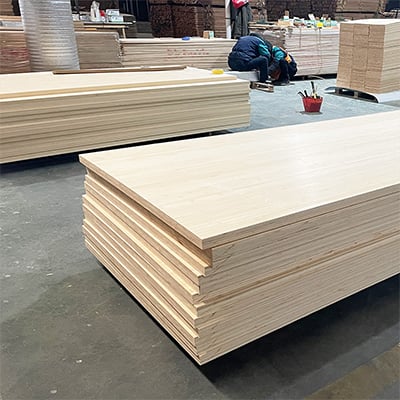
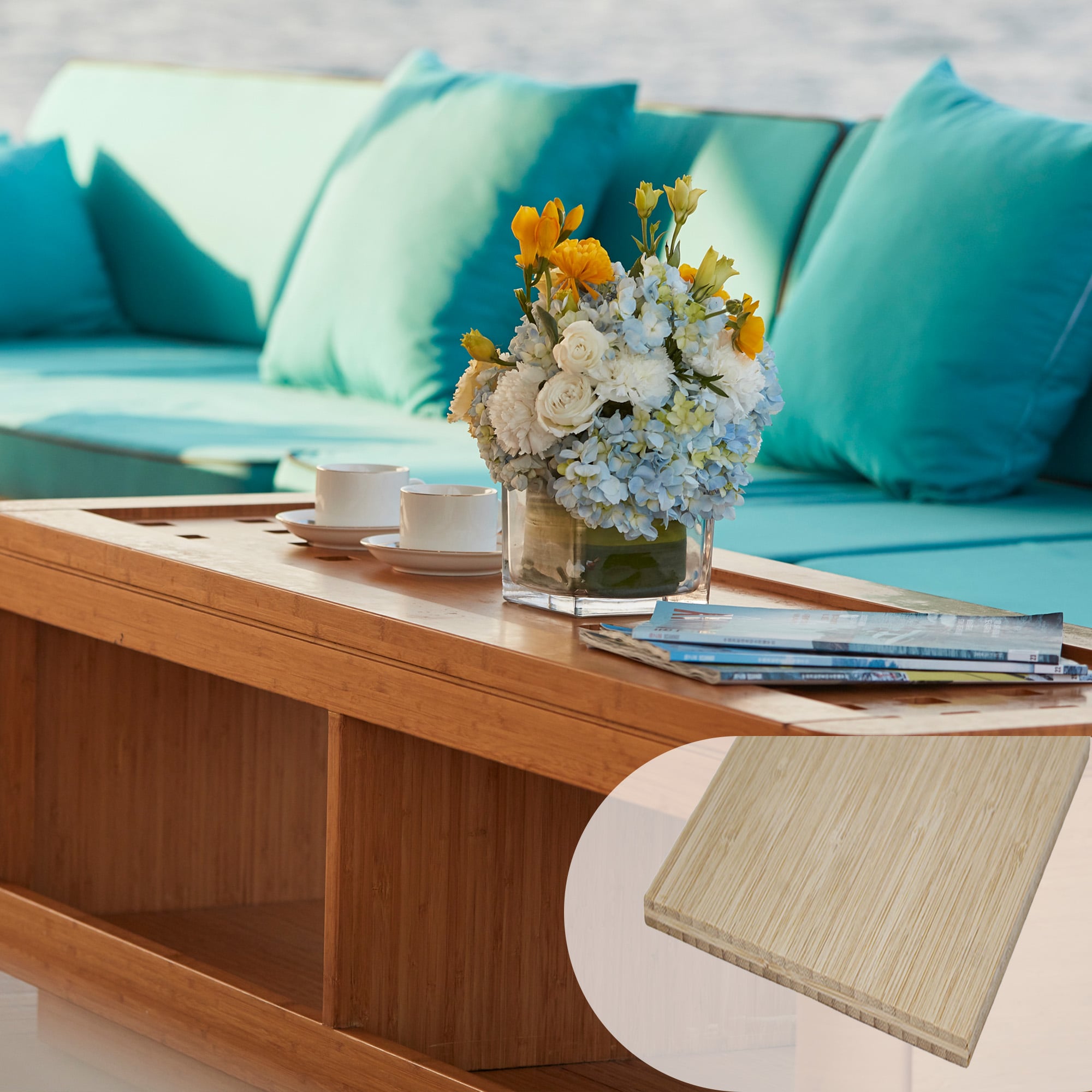
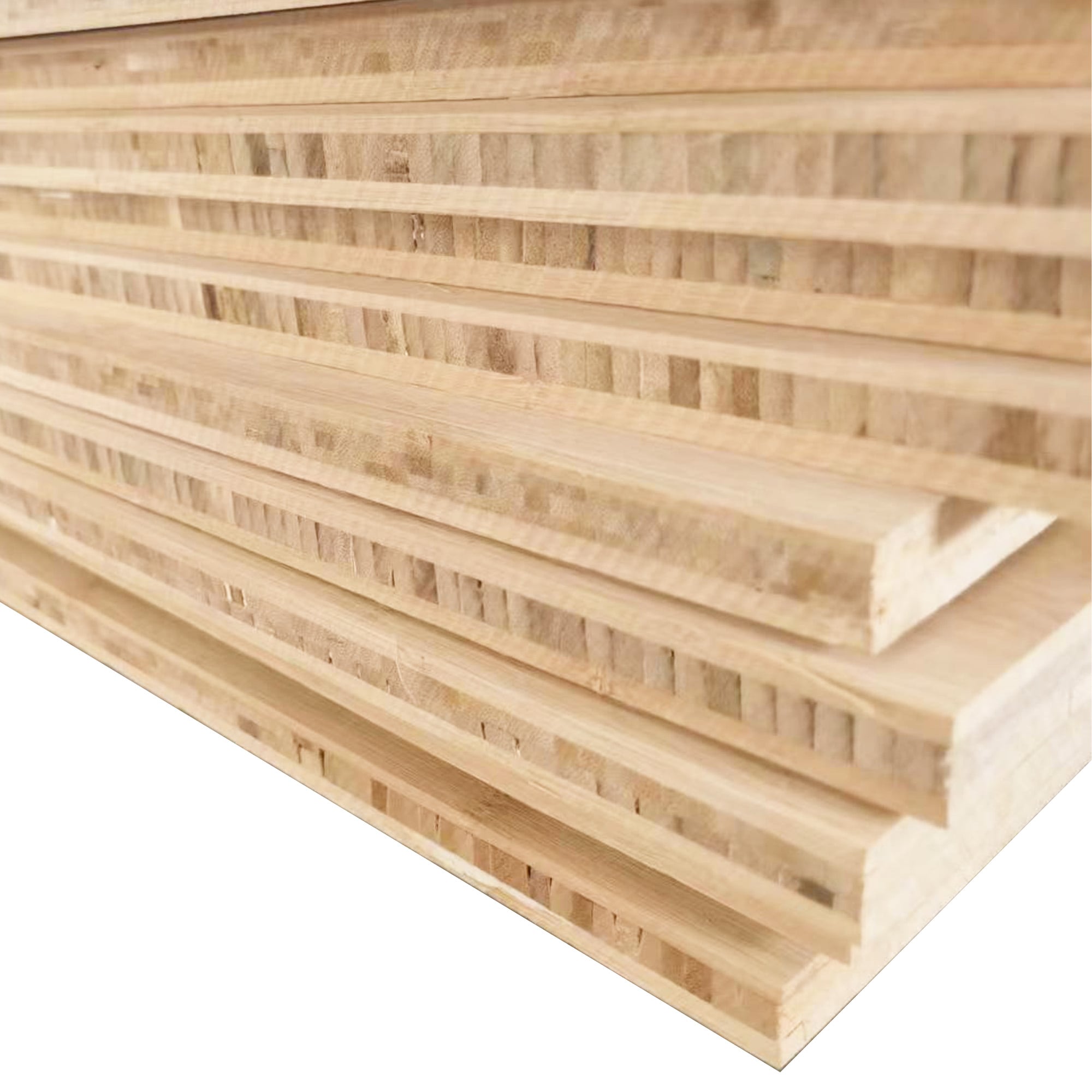
When selecting materials for your next project, bamboo and hardwood plywood represent two distinct approaches to quality craftsmanship. Bamboo plywood begins as strips of grass that undergo high-pressure lamination, creating remarkably dense panels. Hardwood plywood follows traditional woodworking methods, bonding thin wood veneers with adhesive to create sturdy sheets. Both offer exceptional performance but cater to different needs and preferences.
Strength and Durability Comparison
Bamboo Plywood Advantages:
Impact Resistance: Withstands heavy use without denting
Longevity: Maintains structural integrity for decades
Refinishing Capability: Can be sanded and refinished multiple times
Hardwood Plywood Strengths:
Proven Reliability: Centuries of use in fine furniture
Consistent Performance: Predictable behavior under stress
Workability: Easier to cut and shape for complex designs
Natural Beauty: Authentic wood grain patterns
Moisture and Weather Resistance
Bamboo's Natural Advantages:
Water Resistance: Dense fibers resist moisture absorption
Mold Prevention: Naturally inhibits fungal growth
Humidity Stability: Minimal expansion in damp conditions
Ideal For: Bathrooms, kitchens, and high-humidity areas
Hardwood Considerations:
Variable Performance: Depends on wood species and finish
Swelling Risk: Can warp if exposed to prolonged moisture
Best Uses: Dry interiors and controlled environments
Aesthetic and Design Flexibility
Bamboo's Modern Appeal:
Contemporary Look: Clean, linear grain patterns
Color Options: Natural or carbonized finishes
Design Versatility: Complements modern and minimalist styles
Visual Consistency: Uniform appearance across panels
Hardwood's Traditional Charm:
Classic Beauty: Rich, natural wood grains
Character Markings: Unique knots and pattern variations
Staining Flexibility: Accepts stains and finishes beautifully
Warmth: Creates cozy, traditional atmospheres
Cost Analysis and Value Assessment
Budget Considerations:
Bamboo Plywood: Higher initial cost but lower long-term maintenance
Hardwood Plywood: Variable pricing based on wood species
Installation Costs: Similar for both materials
Lifespan Value: Bamboo often provides better long-term value
Sustainability and Environmental Impact
Bamboo's Eco-Advantages:
Rapid Renewal: Matures in 3-5 years versus decades for trees
Soil Protection: Grows without replanting, preventing erosion
Carbon Sequestration: Absorbs more CO2 than equivalent hardwoods
ZaiAn's Commitment: All bamboo sourced from sustainable plantations
Expert Guidance: Professional advice for your specific project
Quality Assurance: All materials meet strict performance standards
Practical Applications Guide
Best Uses for Bamboo:
Kitchen cabinets and bathroom vanities
Modern furniture and commercial fixtures
Eco-conscious projects
Ideal Hardwood Applications:
Traditional furniture pieces
Architectural millwork
Decorative panels
Heritage restoration
Conclusion: Smart Material Selection
Both bamboo and hardwood plywood offer excellent performance characteristics, serving different needs and preferences. Bamboo stands out for its modern aesthetics, environmental benefits, and superior moisture resistance. Hardwood appeals with its traditional beauty, proven track record, and timeless appeal.
Request samples from ZaiAn to compare materials