 EN
EN


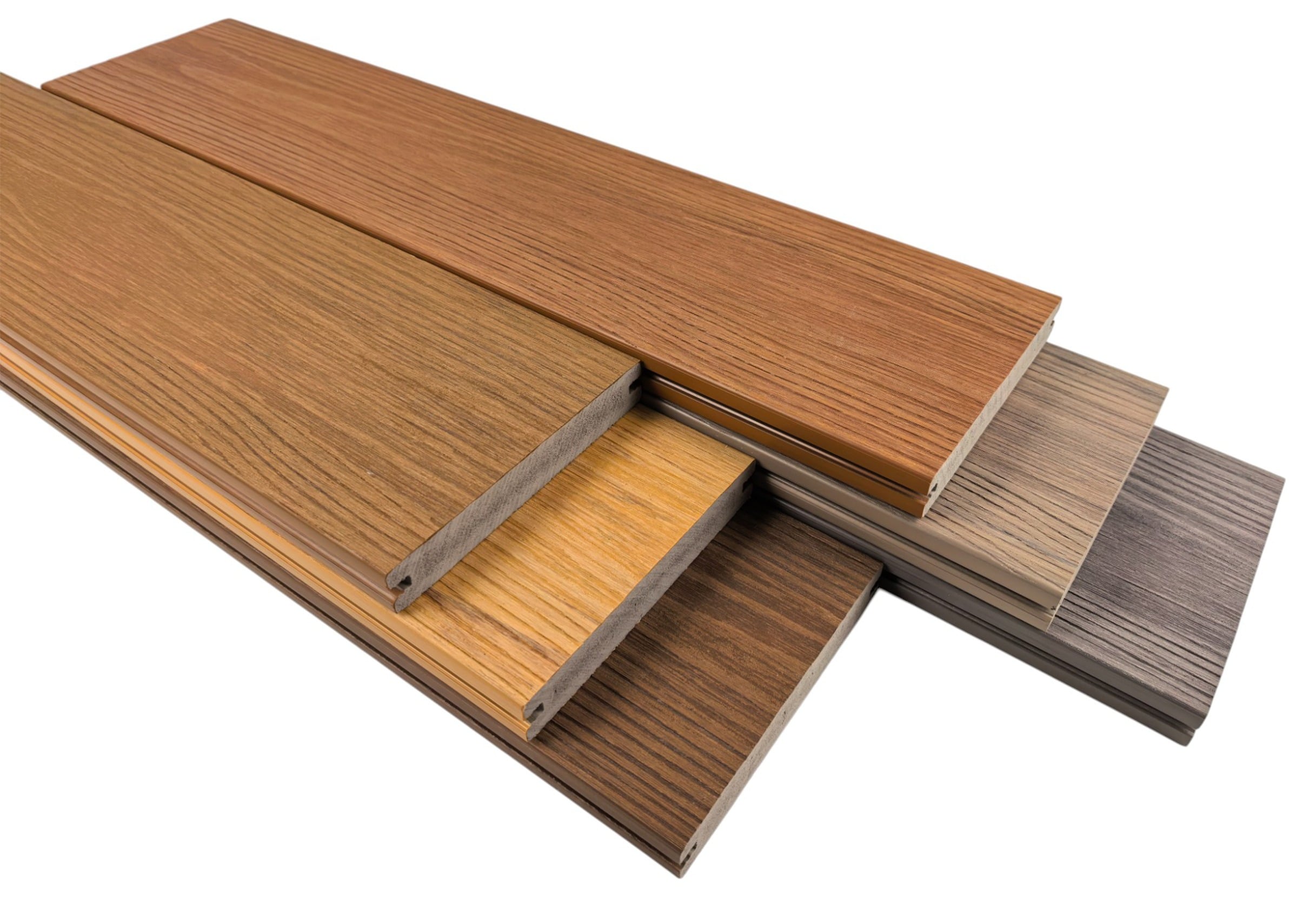
In an era where sustainability is no longer a trend but a necessity, eco-friendly outdoor decking has become a cornerstone of green home design. Choosing sustainable outdoor flooring isn’t just an act of environmental responsibility—it’s a decision that marries durability, aesthetic appeal, and long-term value. Let’s dive into how today’s eco-conscious decking solutions are revolutionizing backyards while minimizing environmental harm.
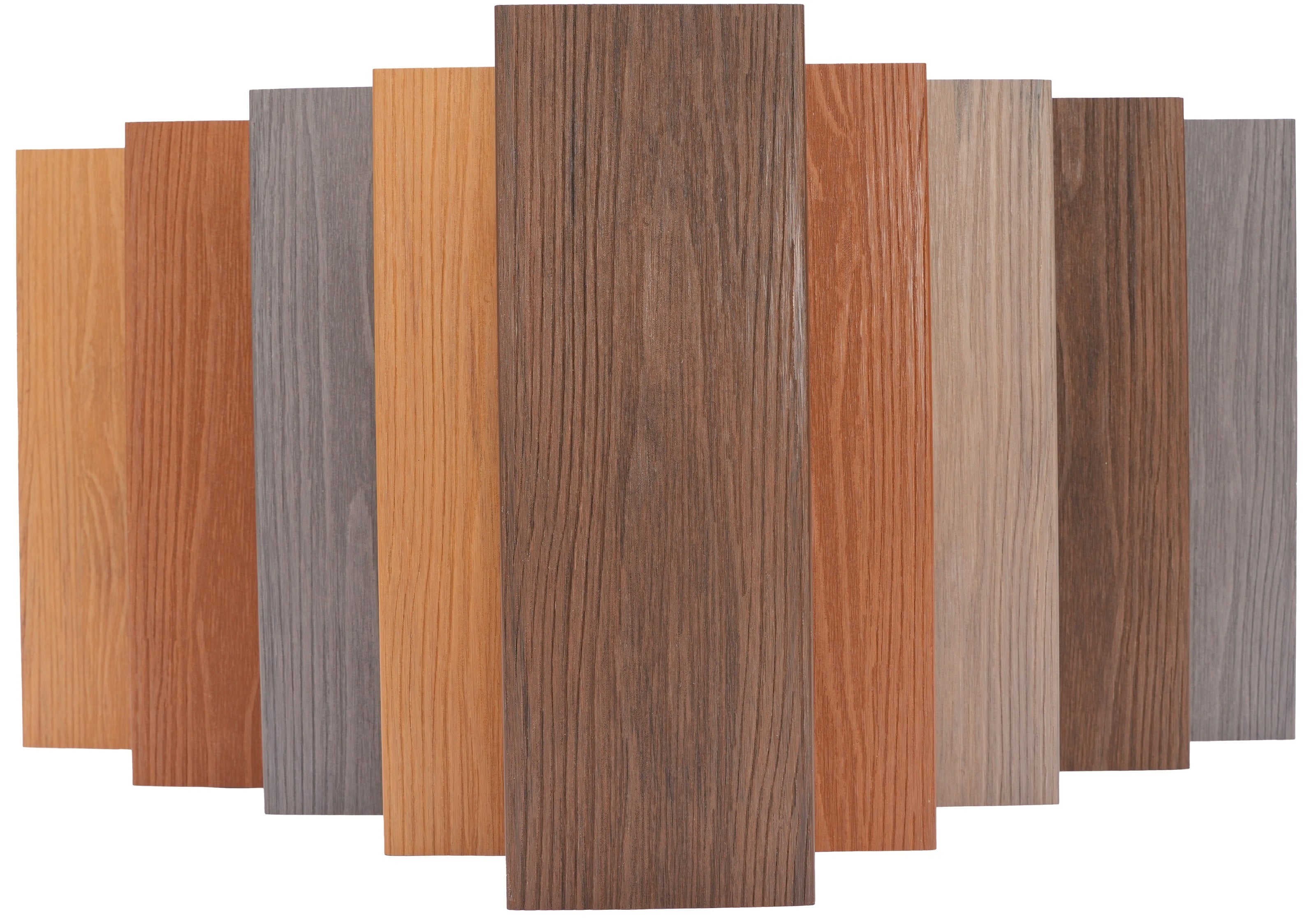
1. Recycled & Renewable Materials: Closing the Loop
The heart of eco-friendly decking lies in its materials. Many leading products are crafted from recycled plastic (think water bottles, packaging waste) and sustainable wood fibers (from responsibly harvested forests or industrial byproducts). Some PVC decking even can 100% recycled vinyl, diverting tons of plastic from landfills each year.
Contrast this with traditional wood decking, which relies on logging virgin forests—contributing to deforestation, habitat destruction, and carbon emissions. By opting for decking made from recycled or renewable materials, you’re not just building a deck; you’re supporting a circular economy that turns waste into a lasting outdoor feature.
2. Low-Carbon Production & Recyclability
Sustainable decking manufacturers go beyond just “green materials.” They prioritize low-emission manufacturing processes, slashing their carbon footprint. Many also commit to end-of-life recyclability—meaning when your deck finally reaches the end of its lifespan, it can be repurposed instead of ending up in a landfill.
This stands in stark contrast to traditional wood or inferior synthetic decking, which often become construction waste. With eco-friendly options, your deck’s environmental impact is minimized at every stage, from production to disposal.
3. Longevity That Cuts Waste
One of the most impactful eco-benefits is unmatched durability. While wood decks typically need replacing every 10–15 years, high-quality eco-friendly decking (like premium composite or PVC) can last 25–50 years with minimal upkeep. This longevity means fewer resources are consumed in manufacturing, transporting, and installing replacement decks—reducing waste and carbon emissions over decades.
4. Chemical-Free Maintenance
Traditional wood decking demands regular sealing, staining, or painting—processes that rely on harsh chemicals (like VOCs and preservatives) that leach into soil and waterways. Eco-friendly decking? It’s 100% maintenance-free when it comes to toxic treatments. A simple wash with soap and water is all it takes to keep it looking pristine, eliminating the need for environmentally harmful products.
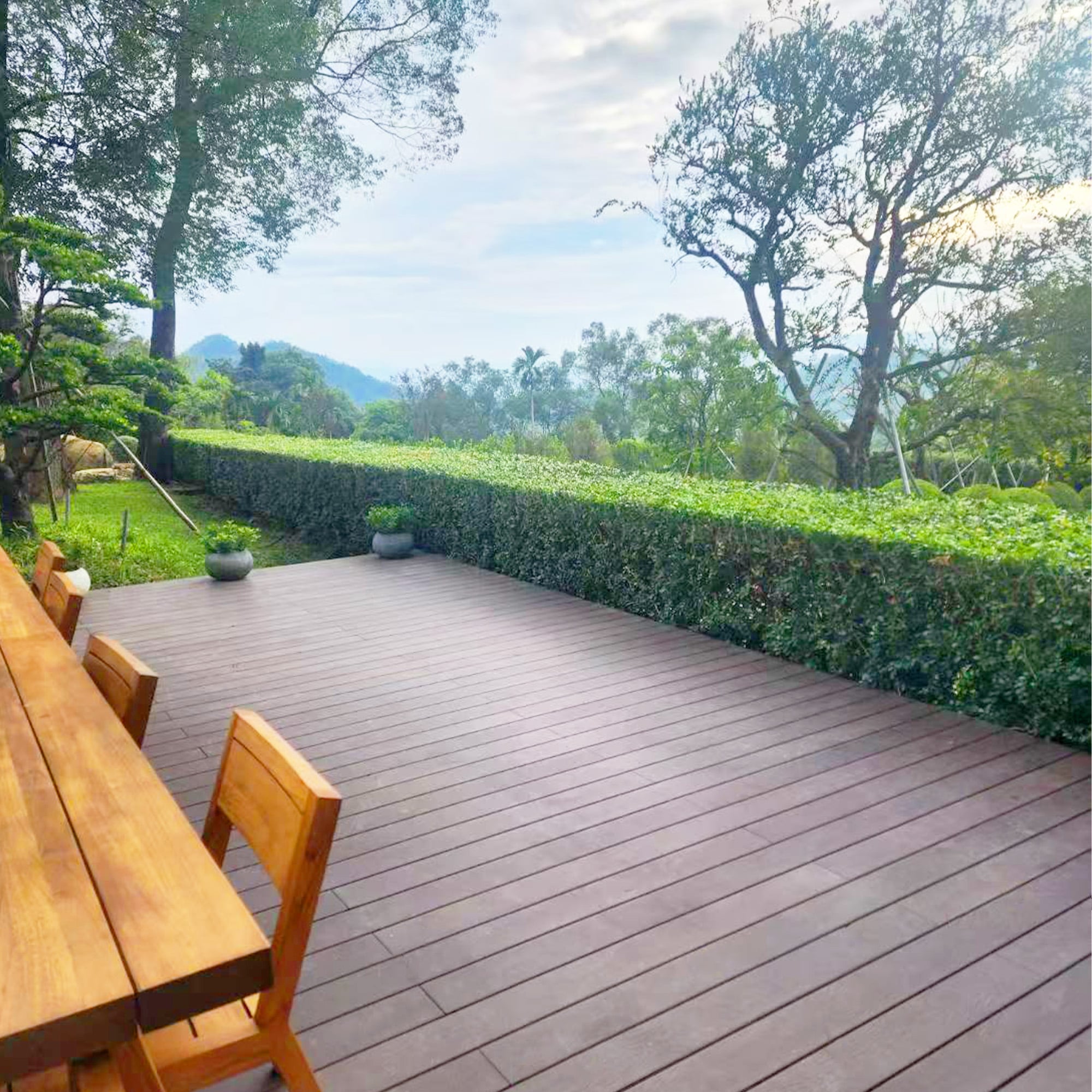
Choosing eco-friendly outdoor decking is a powerful way to align your home with sustainable living. It’s a choice that delivers a beautiful, long-lasting outdoor space while reducing your carbon footprint, cutting waste, and protecting natural resources. Whether you opt for recycled composite or vinyl, your deck becomes more than just a backyard feature—it becomes a statement of environmental stewardship.