 EN
EN


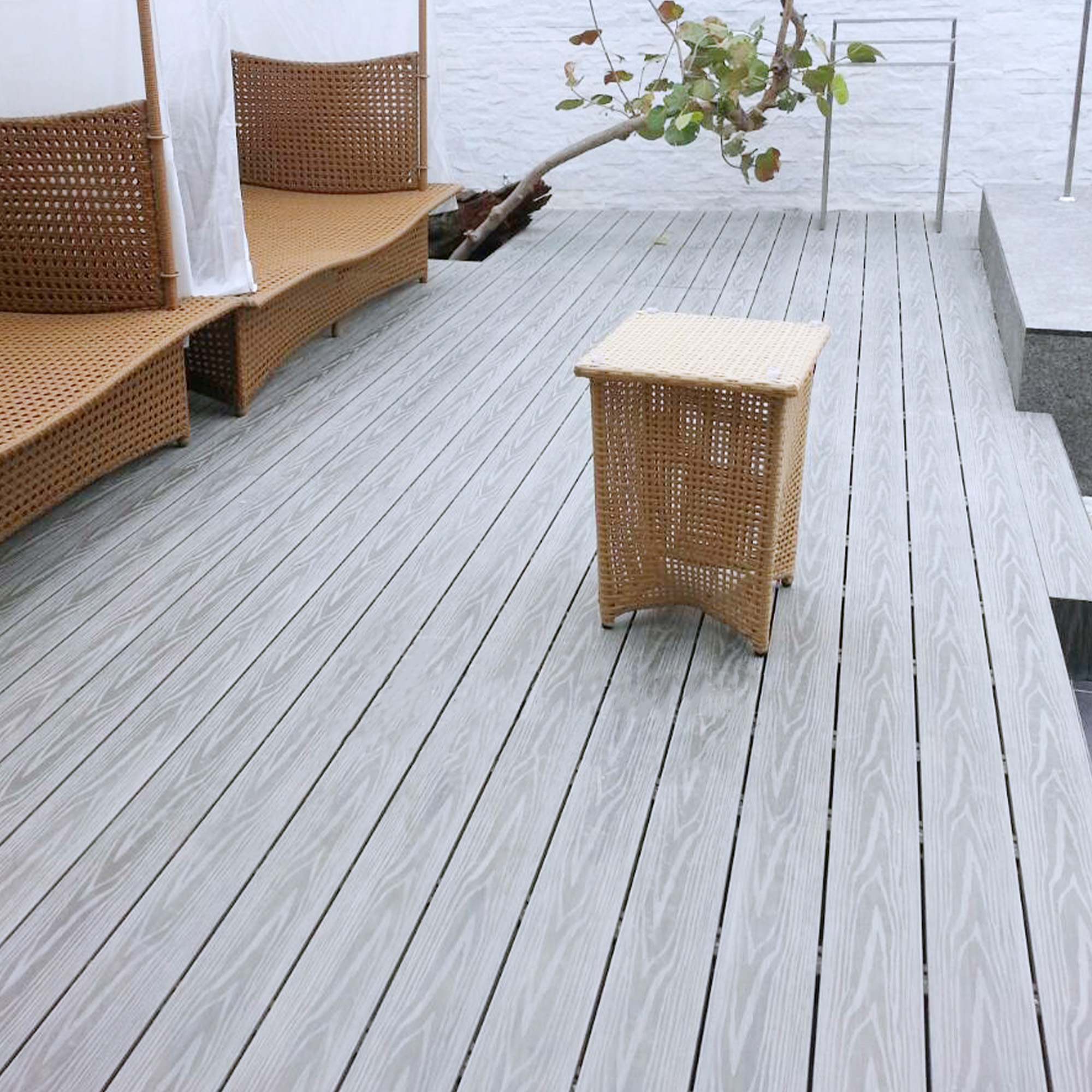
Durability & Weather Resistance:
PVC (like ZaiAn's premium lines): Excellent. Fully waterproof, so it won’t rot, swell, or be damaged by moisture. Highly resistant to stains and scratches.
Composite: Good. Resists rot and insects but can be susceptible to moisture absorption in the core over time, potentially leading to mold or fading.
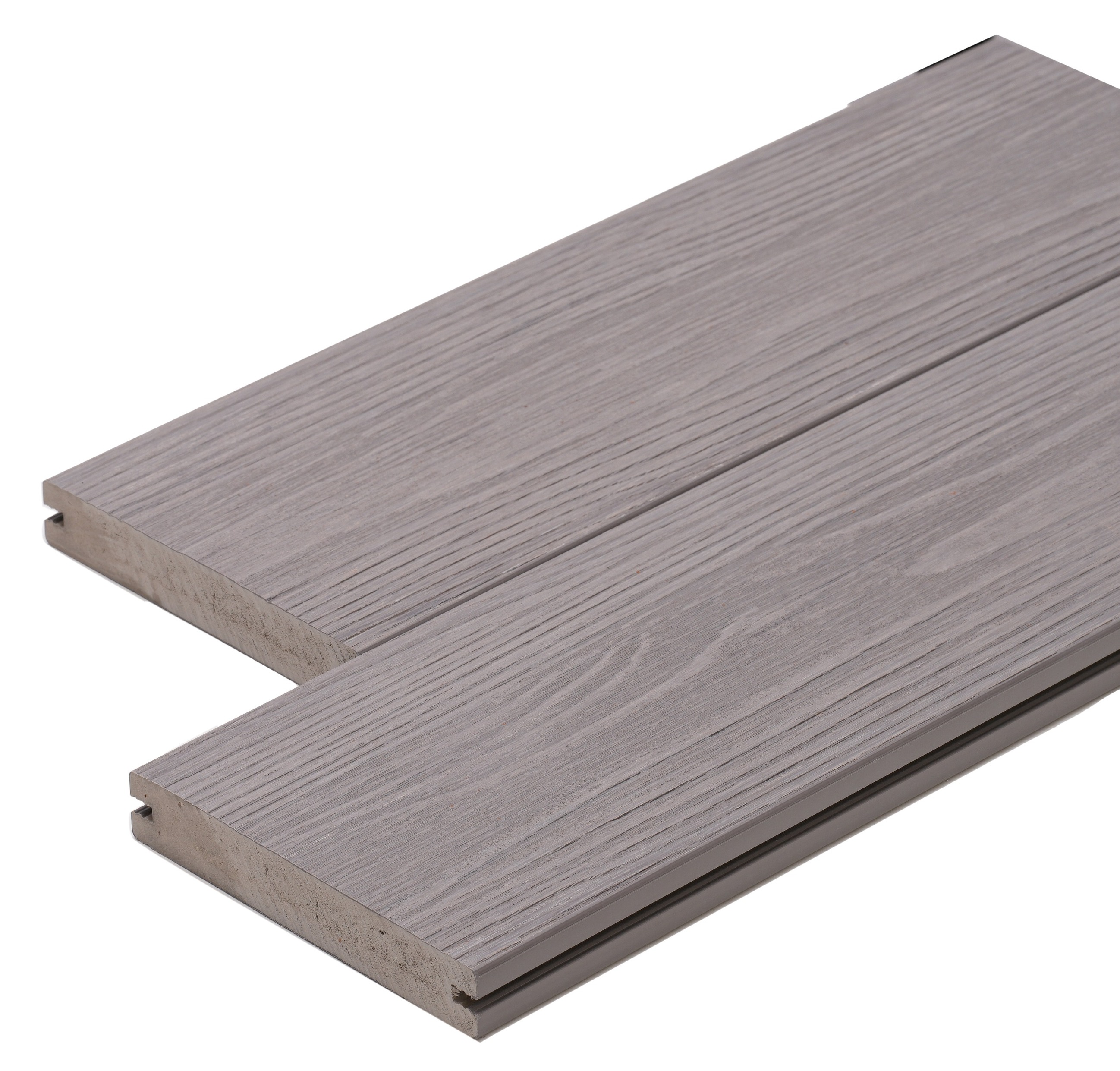
Maintenance & Upkeep:
PVC: Very low. Requires only occasional cleaning with soap and water. No sealing, staining, or sanding ever.
Composite: Low. Needs regular cleaning to prevent mold and mildew, especially in shady/damp areas. Some types may require periodic sealing.
Aesthetics & Feel:
PVC: Offers a more uniform, modern appearance with evolving realistic wood-grain textures. Often stays cooler to the touch than composite.
Composite: Has a traditional look closer to wood. The feel can vary; some cap-coated boards are smooth, while uncapped boards may have a more textured, wood-fiber feel.
Cost & Value:
PVC: Higher initial cost, but offers significant savings in maintenance and replacement over 25+ years.
Composite: Mid-range initial cost. A good balance of upfront price and performance.
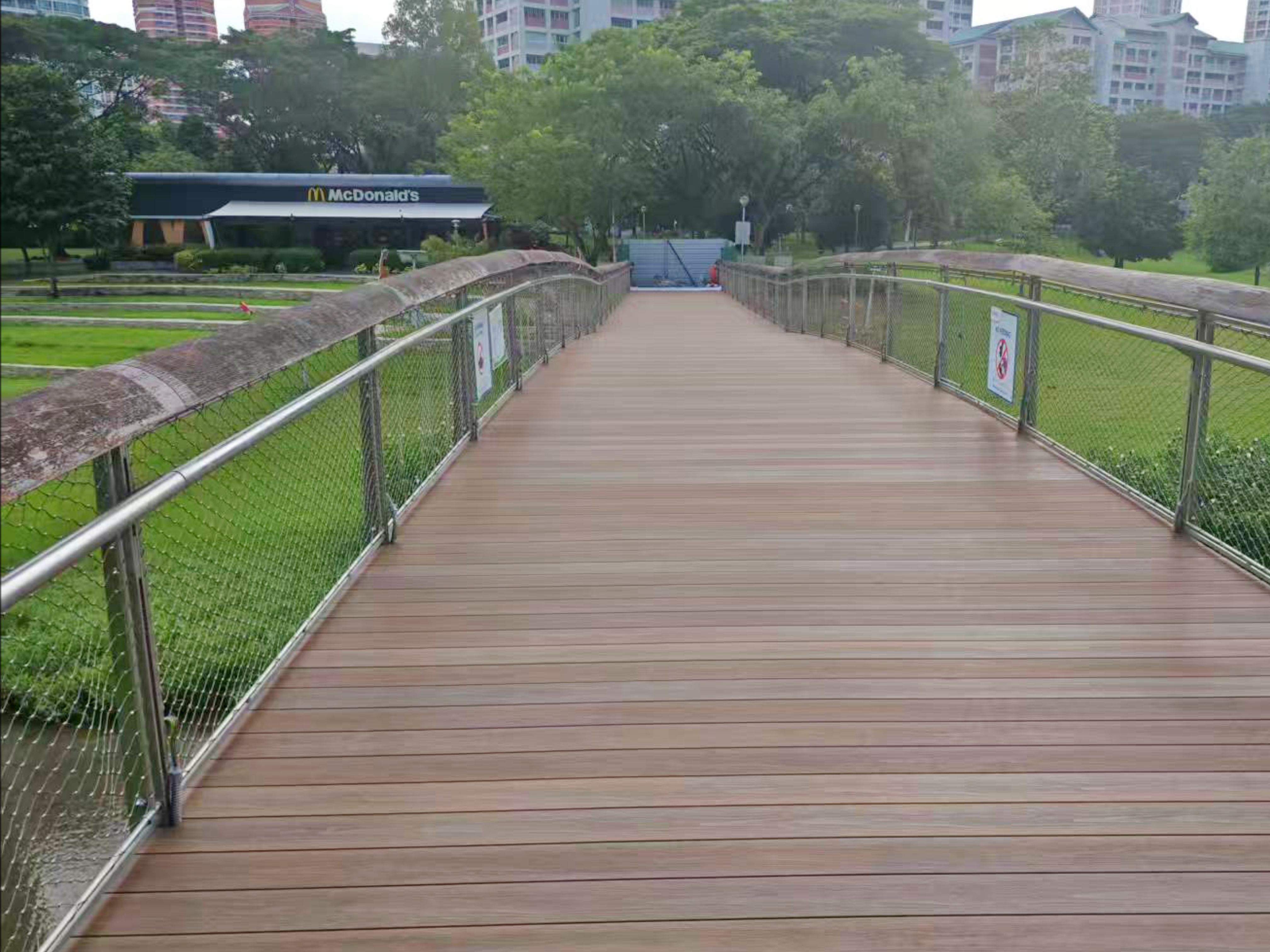
The Bottom Line:
Choose PVC decking if your top priorities are maximum moisture resistance (for pool decks or rainy climates), the absolute lowest maintenance, and long-term value.
Choose composite decking if you prefer a traditional wood-like look, have a moderate budget, and don't mind some routine cleaning.