EN
EN


The Hidden Danger: How Sunlight Damages Your Outdoor Deck
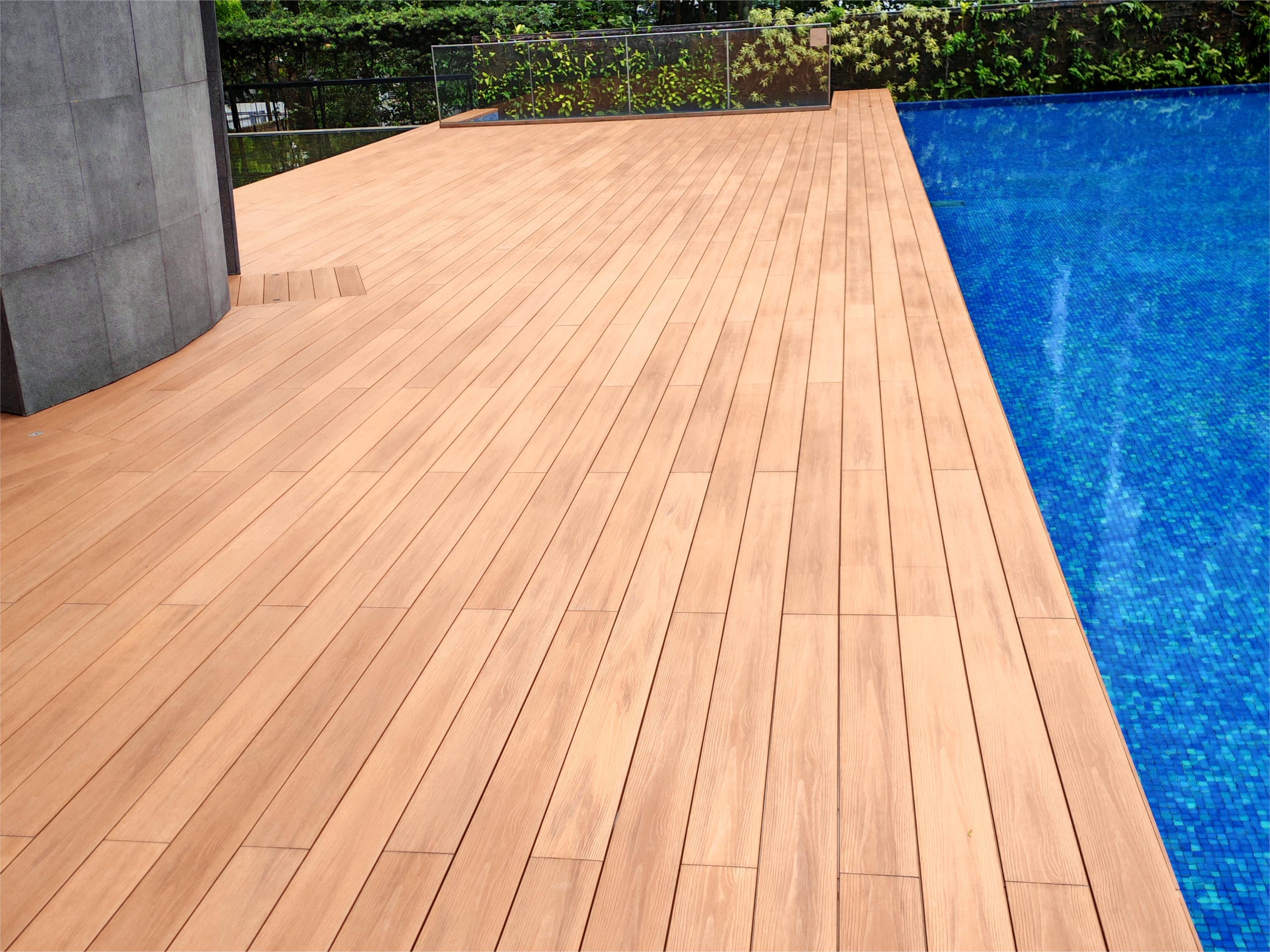
While outdoor decks create perfect spaces for relaxation and entertainment, few homeowners realize that sunlight poses the greatest threat to their deck's longevity. The sun's ultraviolet rays don't just cause fading—they systematically break down decking materials, leading to costly repairs and premature replacement. Understanding this process is the first step toward effective protection.
The Science of Sun Damage:
UV Fading: Sunlight breaks down chemical bonds in decking materials, causing color loss
Surface Degradation: UV radiation dries out natural fibers, leading to cracking and splintering
Structural Weakening: Prolonged exposure compromises material integrity, creating safety hazards
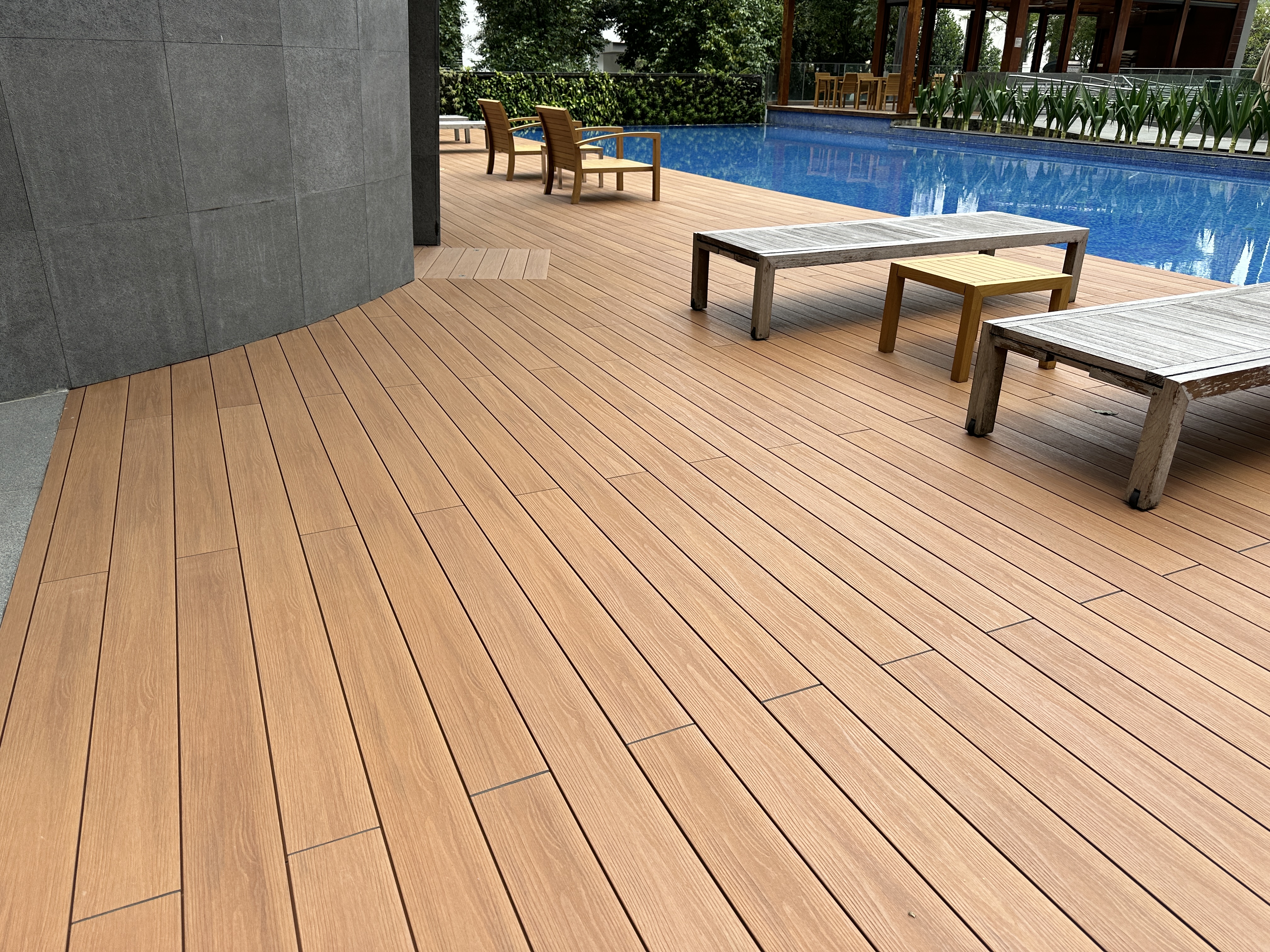
How Different Decking Materials Respond to Sun Exposure
Natural Wood Decking:
Most vulnerable to UV damage
Requires quarterly sealing with UV-blocking formulas
Develops gray patina without protection
Annual sanding often necessary
PVC Decking:
Naturally UV-resistant but can fade over time
Manufacturers incorporate UV inhibitors
Typically maintains color for 5-7 years
Low maintenance but higher initial cost
WPC/PE Decking:
Wood-plastic combination offers moderate resistance
Surface fading possible despite UV protection
Requires specific composite-safe cleaners
ASA Co-extruded Decking:
Advanced protection through multi-layer construction
ASA (Acrylic Styrene Acrylonitrile) cap provides superior UV resistance
Maintains color stability 3x longer than standard materials
Ideal for tropical and high-sunlight regions
Why ASA Co-extruded Decking Excels in Sunny Conditions
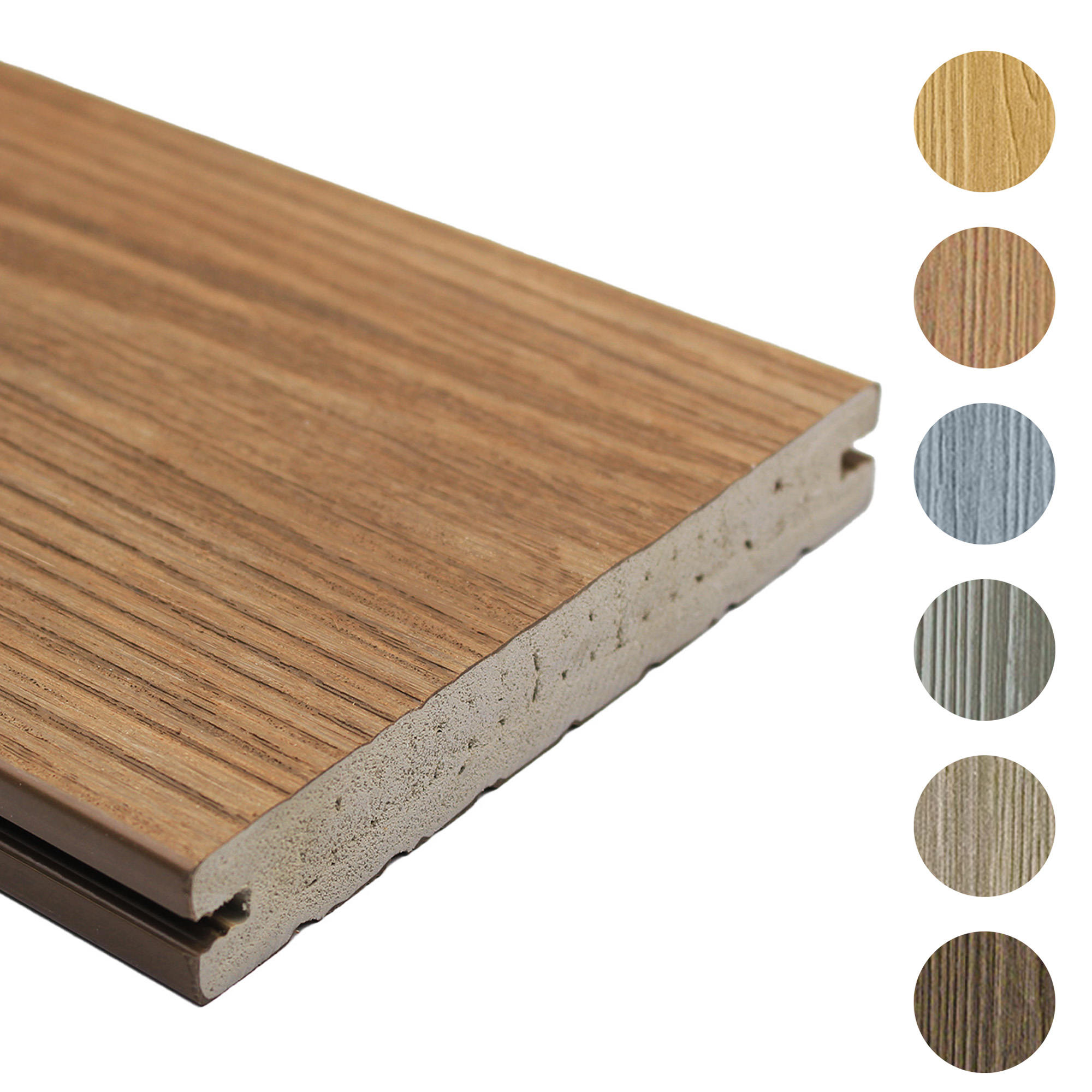
ASA co-extruded decking represents the pinnacle of UV protection technology. This innovative manufacturing process involves:
Dual-Layer Protection System
Top Layer: ASA polymer cap
Core Layer: High-density PVC material providing structural strength
Performance Advantages
Color Retention: Maintains vibrancy for 25+ years
Surface Integrity: Resists cracking, warping, and checking
Temperature Resistance: Stays cooler underfoot than PVC alternatives
Low Maintenance: Requires only occasional cleaning
Material Selection Guide for Sun-Intensive Locations
When choosing decking for high-UV environments, consider these critical factors:
Climate-Specific Recommendations
Tropical Regions: ASA co-extruded or high-density PVC
Arid Climates: Composite with full-cap protection
Temperate Zones: UV-stabilized wood composites
Performance Metrics to Evaluate
UV Resistance Rating: Manufacturer testing data
Warranty Coverage: Fade protection duration
Temperature Tolerance: Expansion/contraction rates
Maintenance Requirements: Time and cost commitments
Conclusion: Sustainable Sun Protection
Protecting your deck from sun damage requires understanding UV threats and implementing proactive strategies. Whether choosing advanced materials like ASA co-extruded decking or maintaining existing surfaces with professional treatments, consistent care ensures your outdoor investment provides decades of enjoyment.
For specific product recommendations or installation advice, welcome to consult us.